Is Cold Brew Healthier Than Hot Coffee
We set out to compare two popular ways to enjoy java and to explain what we mean by “healthier.” We focus on measurable factors: acidity, antioxidants, caffeine, and added ingredients, not just taste.
Research shows extraction varies with time and temperature. Longer, cooler steeping often yields a smoother, less acidic cup while hot extraction pulls more caffeine and polyphenols, which can raise antioxidant levels.
Large cohort studies link regular coffee intake with lower mortality, so our aim is nuance. We note the FDA’s 400 mg/day guideline and that concentrates can change caffeine per serving. Our goal is to give practical tips so readers can match either method to specific health goals and enjoy the benefits with fewer added sugars.
Cold brew vs. hot coffee at a glance: what “healthier” really means
We define “healthier” by four clear pillars: acidity, antioxidant density, caffeine dose, and additives. That keeps the question focused on measurable effects rather than taste alone.
How we define health: acidity, antioxidants, caffeine, and additives
Acidity affects gut comfort. Antioxidants (polyphenols) relate to long‑term benefits. Caffeine dose matters for sleep and jitters. Additives change calories and sugar fast.
Why brewing method changes what ends up in your cup
Heat speeds extraction. Hot coffee brewed at 195–205°F typically pulls more caffeine and polyphenols. Cooler, hours‑long immersion or slow drip often yields smoother taste with less perceived acidity and bitterness.
- We separate inherent compounds from extras, since syrups and creamers can undo any health edge.
- Concentrates, dilution, and serving size make per‑cup comparisons tricky.
- Genetics such as CYP1A2 personalize caffeine effects, so the same cup can feel very different to two people.
- Brewing is a practical lever: adjust time, temperature, and dilution to shape which compounds coffee delivers.
Brewing basics: time and temperature shape nutrition
Brewing choices change which compounds end up in our cup and how they affect the body.
Immersion and slow drip: hours‑long extraction
Immersion and slow drip use low temperatures and long contact to extract soluble compounds. Typical immersion steeping runs 12–24 hours, while slow drip usually takes about 5 hours or more.
That long contact time favors lipids and some acids that give smoothness but can leave overall acidity lower. Extend the contact and strength rises, which is why caffeine and flavor vary a lot between recipes.
Hot water extraction: faster solubility at 195–205°F
Hot brewing occurs at roughly 195–205°F and takes minutes. Heat raises solubility so caffeine and polyphenols dissolve quickly and more completely.
Grind size, water-to-coffee ratio, and agitation also steer extraction. Finer grind or more agitation accelerates pull in minutes, while coarser grind plus long time does the same slowly.
- Cold water methods trade speed for smoothness and often need hours to reach target strength.
- Hot water methods extract faster; minutes can match what hours do in immersion.
- Concentrate and dilution matter: strength per serving depends on final mix, not just brew type.
| Method | Typical Time | Key Solubles | Result |
|---|---|---|---|
| Immersion (low temp) | 12–24 hours | Oils, some acids, variable caffeine | Smoother, lower perceived acidity |
| Slow drip | ~5+ hours | Gradual extraction of aromatics | Clean, steady flavor |
| Hot pour/press | Minutes (195–205°F) | Caffeine, polyphenols | Brighter, higher antioxidant extraction |
Acidity and digestion: why cold brew feels gentler
A long, cool steep can cut measured acidity by as much as 60–67%, which helps explain why many people report less stomach upset after drinking it.
Lower acidity and reduced bitterness
Cooler extraction leaves many acids and bitter precursors behind in the grounds. That produces a smoother, less biting beverage for many drinkers.
By contrast, hotter water speeds chemical changes. Heat can break down acids into bitter compounds, creating a sharper, more astringent profile in acidic hot brews.
Who benefits: reflux and sensitive stomachs
Observational reports suggest people with acid reflux or heartburn often tolerate it better. A less acidic cup is gentler on the esophagus and stomach lining for some individuals.
- Cool extraction reduces oxidized, bitter molecules and perceived acidity.
- Perceived gentleness does not mean the drink lacks body or flavor.
- Individual responses vary; roast, grind, and dilution also change tolerance.
- Those with diagnosed GI conditions should consult their clinician before changing habits.
Antioxidants and polyphenols: hot coffee’s edge
Temperature affects what leaves the bean and enters the cup. We find that warmer extraction generally pulls more polyphenols, which raises antioxidant density in the final drink.

Heat, solubility, and why hot brews often extract more polyphenols
Polyphenols dissolve more readily at higher temperatures. That means minutes of hot extraction can release many antioxidant compounds that slower, cooler methods extract less efficiently.
What the research suggests—and what we still don’t know
A 2018 study reported higher antioxidant measures in many warm brews compared with several long-steep cold methods, though authors called for more research. Lab protocols, roast level, and grind all change results.
- Polyphenols tend to be more soluble with heat, giving warm methods a general edge in antioxidants.
- Emerging research shows higher antioxidant measures in some hot brews, but findings vary by bean and method.
- Cold extraction still yields meaningful polyphenols; it is not a zero-sum choice.
- Preparation choices at home—time, temperature, grind—can nudge compound levels up or down.
Caffeine content: it depends on brew strength and time
Caffeine levels vary widely and depend more on recipe than on brewing style alone.
Why cold brew can be lower—or sometimes higher—than hot
Heat makes caffeine dissolve faster, so many hot methods yield about 60–100 mg per 100 ml in lab measures.
Many cool‑extraction recipes measure lower, roughly 40–60 mg per 100 ml. Still, longer steep times raise extraction and can close that gap.
When concentrate is used, an undiluted serving can easily match or exceed a standard hot cup.
Serving size, dilution, and the “concentrate effect”
Pay attention to final volume. A small hot cup may have less total caffeine than a large glass of undiluted concentrate.
Ask cafés about dilution, and track your brew ratios at home to estimate stimulant per cup. That helps manage sleep and jitters.
- Heat speeds extraction, but time and grind also matter.
- Concentrates boost per‑serving caffeine unless diluted.
- Café servings vary widely; ask about strength and size.
| Brew Type | Typical mg/100 ml | Example Serving | Estimated mg per serving |
|---|---|---|---|
| Hot brewed (standard) | 60–100 mg | 8 oz (240 ml) | ~144–240 mg |
| Cold extraction (standard) | 40–60 mg | 8 oz (240 ml) | ~96–144 mg |
| Concentrate (undiluted) | 80–140 mg | 12 oz (360 ml) | ~288–504 mg |
Genetics and jitters: why some of us feel wired
Genetics shape how our nervous system reacts to stimulants, so the same cup can rouse one person and unsettle another.
CYP1A2 and fast versus slow metabolizers
The CYP1A2 gene drives most caffeine metabolism. Variants make some people fast metabolizers and others slow responders.
Fast metabolizers clear caffeine quickly and often tolerate larger amounts with milder effects. Slow types keep higher blood levels longer and may feel stronger reactions.
Practical tweaks if you’re caffeine-sensitive
We suggest several simple adjustments to reduce jitters and sleep disruption.
- Shorten long extraction times and dilute concentrates to lower per‑serving stimulant dose.
- Choose smaller hot servings or switch to half‑caff or decaf when evenings approach.
- Eat and hydrate with your cup; that helps blunt acute nervous system effects on the body.
- Use feeling “wired” as a cue to scale back strength rather than chase more volume.
| Variant | Typical response | Suggested tweak |
|---|---|---|
| Fast metabolizer | Mild stimulant effects | Larger serving tolerated |
| Slow metabolizer | Pronounced jitters, sleep issues | Smaller portions, earlier cut‑off |
| General guidance | Risk varies by dose | Follow FDA ~400 mg/day and personal tolerance |
Large cohorts link up to eight cups with lower mortality, but personal tolerance should guide our daily choices and overall health.
Flavor and aroma: smooth vs. bright
A brew’s temperature steers which aromatic oils survive and which evaporate, shaping what we smell and taste.
Stable aromatic oils and sweetness perception
Cold water extraction keeps more volatile oils intact. That yields a rounder, sweeter flavor with less sharpness and bitterness.
By contrast, hotter methods release more aromatics into the air. The result is a brighter aroma and a punchier cup that can feel more bitter.
- Cold extraction preserves bittersweet oils, producing a smooth, dessert‑like flavor.
- Hot pour techniques volatilize aromatics, giving a lively nose and clearer acidity.
- Bean choice matters: light roasts lift florals and acidity; dark roasts favor chocolate and caramel notes.
- Try side‑by‑side tastings with the same beans to hear how temperature shifts perceived sweetness and bitterness.
We find smoother profiles often curb the urge to add sugar or syrups. That makes flavor choices an easy way to nudge dietary habits without sacrificing enjoyment.
Is Cold Brew Healthier Than Hot Coffee for your gut?
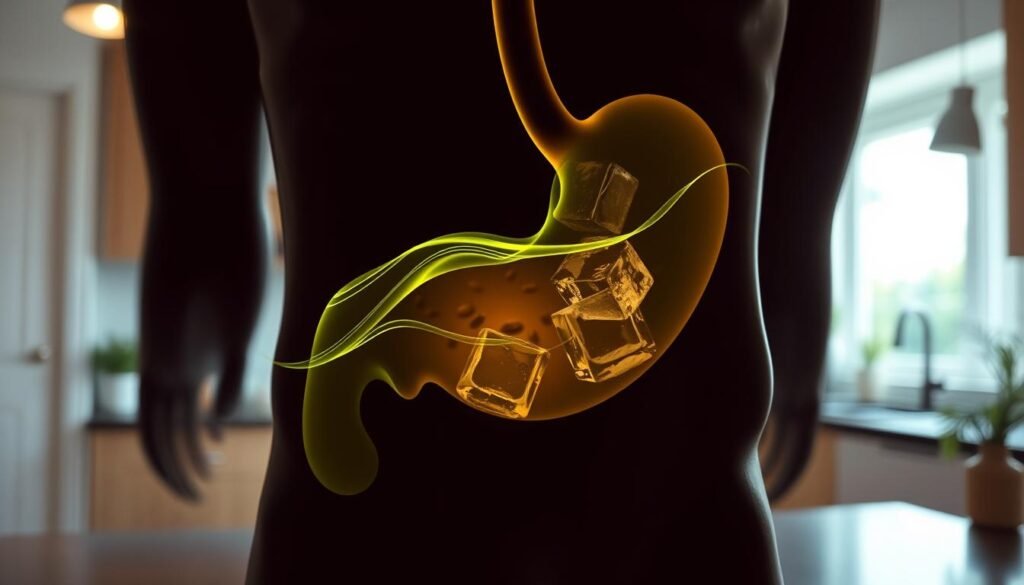
For readers with sensitive stomachs, acidity may matter more than marginal antioxidant differences. Cold brew can be up to 60–67% less acidic than a hot cup, so many people with acid reflux or reflux‑related heartburn report fewer symptoms when they switch.
When lower acidity matters more than antioxidant yield
We weigh gut comfort against antioxidant yield and accept that warmer brewing often pulls more polyphenols. For people who prioritize fewer stomach flares, a less acidic choice can offer clear health benefits without cutting coffee out entirely.
- Lower measured acidity reduces irritation for many with acid reflux.
- Antioxidant differences exist, but they are often marginal compared with symptom relief.
- Try a week-long swap in your routine to track changes in digestion and sleep.
- Avoid high-acid add-ins (for example, citrus) when reflux is a concern, regardless of brew style.
- Remember total daily intake and timing: late or large servings can worsen symptoms even if the cup is less acidic.
| Consideration | Gut Comfort | Antioxidant Yield |
|---|---|---|
| Typical hot method | Higher acidity; more likely to trigger reflux | Generally higher polyphenol extraction |
| Cool extraction | Up to 60–67% less acidic; gentler for sensitive stomachs | Meaningful polyphenols still present but sometimes lower |
| Practical tip | Shorten servings, avoid late cups | Choose roast and grind to boost antioxidants if desired |
We recommend a brief experiment: change your morning cup for seven days, note symptoms, and adjust serving size. For many, reducing acidity brings better daily comfort and delivers real, practical health benefits while keeping the ritual people love.
Heart health and overall benefits: what large studies show
Several massive cohort analyses, including a UK Biobank study of roughly 500,000 adults, report that regular drinking links with lower all‑cause mortality and modest cardiovascular advantages.
We note that decaffeinated options also tracked with reduced death rates, implying bioactive compounds beyond caffeine may play a role. The FDA recommends keeping caffeine at or below 400 mg per day, which helps limit stimulant effects and supports heart‑safe patterns.
Moderation, daily limits, and how both styles fit
Overall, style matters less than total intake and what we add. High sugar syrups or large undiluted concentrates can erase any potential benefits and raise cardiometabolic risk.
- Moderate intake aligns with lower risk heart disease in many cohorts.
- Decaf tracked with benefits, suggesting multiple protective compounds.
- Watch concentrate strength, serving size, and added sugars to keep the risk low.
| Finding | Implication | Practical tip |
|---|---|---|
| Large cohort inverse association with mortality | Possible population-level heart benefits | Limit added sugars; choose moderate servings (1–3 cups/day) |
| Decaf also associated with lower death | Benefits beyond caffeine | Consider decaf if stimulant sensitivity exists |
| FDA ≤400 mg/day guideline | Limits stimulant risk for heart and sleep | Track mg in concentrates and monitor daily total |
We recommend people with known heart disease or palpitations consult their clinician before changing intake. Personalized guidance keeps benefits high and risk low.
Sugar, syrups, and creamers: the hidden health swing factor
Many popular iced drinks hide large amounts of added sweeteners that change a simple cup into a high‑calorie treat.
In cafés, iced coffee formats often combine syrup pumps, sweetened milks, and whipped toppings. That stacking raises sugar and calorie content fast. Investigations show some single drinks exceed recommended daily limits. For example, a Starbucks Grande Java Chip Frappuccino with soya milk can contain 46 g sugar versus the NHS guideline of 30 g per day.
Why iced coffee drinks often carry more added sugar
Syrups and flavored milks are the main drivers of extra grams. Larger serving sizes (for example, a 360 ml or L360 portion) amplify the effect. Ice and milk can also dilute perceived sweetness, prompting more pumps and more sugar.
Keeping calories in check without losing flavor
- Choose smaller sizes and skip extra pumps to cut sugar per serving.
- Swap sweetened milks for unsweetened alternatives or ask for fewer pumps.
- Use sugar‑free flavored syrups or add spices (cinnamon, nutmeg) for aroma without grams of sugar.
- Consider plain cold brew over dessert‑style blended drinks when the goal is lower sugar and fewer calories.
- Read nutrition content before ordering and track total daily sugar to manage long‑term risk.
| Issue | Typical effect | Practical tip |
|---|---|---|
| Syrup pumps | Raises sugar by 5–20 g per pump | Ask for half‑sweet or fewer pumps |
| Sweetened milks & toppings | Adds 10–40 g sugar per drink | Choose unsweetened milk or skip toppings |
| Large servings | Multiply sugar and calories | Pick smaller cups and dilute concentrates |
Practical brewing tips to meet your health goals
Small changes in grind, ratio, and temperature let us shape a cup to fit sleep, digestion, and calories. We focus on simple, repeatable steps you can use when you brew coffee at home.
Dialing steep time, grind, and dilution for cold brew
Use a coarse grind and a 1:4 to 1:8 coffee-to-water ratio. Steep 12–24 hours: longer time raises strength and caffeine.
After steeping, strain and dilute to taste. Dilution lets us control flavor, acidity, and per‑serving stimulant dose without changing beans.
Store concentrate in the fridge up to one week. Reheat a portion with hot water for a quick warm cup without making a fresh batch.
Hot brew tweaks: roast choice and temperature control
Pick lighter roasts and keep hot water at 195–205°F for clearer acidity and more polyphenols. Lower agitation and steady pour reduce bitterness.
Shorter contact times and slightly coarser grinds can lower extraction of bitter compounds. Adjust ratio to manage calories and stimulant load.
- Coarse grind + long steep = smooth body, less perceived acidity.
- Dilute concentrate to control caffeine per serving.
- Lighter roast + 195–205°F pour = brighter, less harsh bitterness.
| Goal | Quick tweak | Typical ratio/time |
|---|---|---|
| Lower acidity | Coarse grind, longer steep, dilute | 1:6 ratio, 12–24 hours |
| Higher antioxidants | Hot water, lighter roast, short brew | 195–205°F, minutes |
| Lower stimulant per cup | Dilute concentrate, smaller serving | 1:4 concentrate diluted 1:1 or more |
Use cases: who should choose cold brew, who should choose hot
Different routines call for different cups; we outline who benefits from each brewing approach.
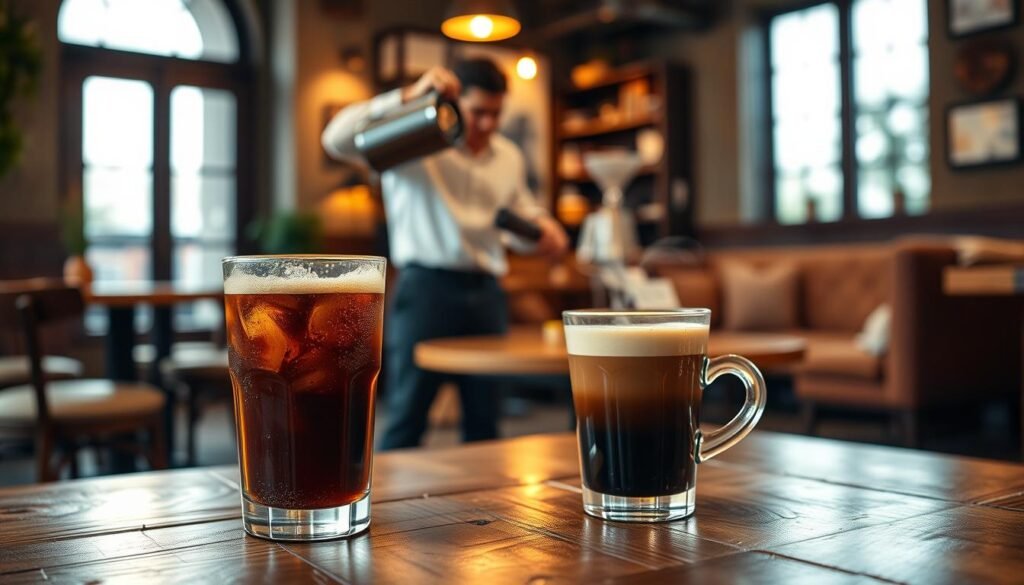
We recommend cold brew for people who prioritize gut comfort and lower perceived acidity. That smoother profile often reduces the urge to add sweeteners, which supports dietary health and keeps calories down.
For readers seeking higher antioxidant yield, we suggest hot brewing. A warmer extraction tends to pull more polyphenols, which may add measurable benefits over time.
- Choose the cooler method for reflux or sensitive stomachs; it eases irritation and keeps flavor mellow.
- Pick hot methods when a brighter cup and stronger antioxidant extraction align with your health goals.
- Caffeine-sensitive drinkers should manage dose via dilution, smaller cups, or shorter steep times.
- Keep a concentrate on hand for fast hot or iced prep when time is tight and flexibility matters.
- Always align your daily selection with caffeine limits and overall dietary patterns to lower risk.
| Situation | Best fit | Why it helps |
|---|---|---|
| Acid sensitivity | Cool extraction | Lower perceived acidity, gentler on the gut |
| Antioxidant focus | Warm brew | Higher polyphenol extraction per cup |
| Time-saving | Ready concentrate | Quick hot or iced pours; control caffeine per serving |
Cold brew as a mixer: versatility without the sugar spike
We use concentrate as a flexible base to make lighter drinks that keep sugar and calories low. Simple pairings let us enjoy vibrant cups for any time of day.
Smart pairings and dilutions that keep it light
Try mixing a measured portion of concentrate with soda water or tonic for a fizzy spritz over ice. Add a twist of citrus zest and a few herb leaves for aroma without syrups.
For creamy options, splash in unsweetened almond or oat milk. Top a concentrate with hot water for a fast, smooth “hot” cup when we need a warm drink quickly.
- Keep sugar low: choose unsweetened tonic or soda and skip syrup pumps.
- Measure concentrate: note ounces and dilution to track caffeine and calories.
- Spice it: cinnamon or cardamom adds flavor depth without adding sugar.
| Pairing | Typical mix | Why it works |
|---|---|---|
| Soda water | 1 part concentrate : 3–4 parts water | Bright, low‑calorie spritz |
| Milk alternative | 1 part concentrate : 2–3 parts milk | Smooth texture, fewer added sugars |
| Hot top‑up | 1 part concentrate : 2–3 parts hot water | Quick warm cup with gentle flavor |
Sustainability notes: time, ice, and energy
Every cup has a footprint; time, ice, and method shape the resources we use.
Iced formats and long steeps often need more energy and extra water for ice production and chilling. Extended extraction can take many hours, which raises refrigeration and appliance use compared with a quick hot pour.
Batching concentrate reduces repeated chill cycles and saves energy. We recommend making larger batches and storing portions to cut overall power and water use.
- Prep footprint: long steeps + ice use more energy than a short brew.
- Batch brewing minimizes repeated runs and lowers per‑serving waste.
- Use reusable drinkware and make ice at home to reduce single‑use cups and packaging.
| Consideration | Typical impact | Practical tip |
|---|---|---|
| Energy | Higher for chilling and long refrigeration | Batch and cool in one cycle |
| Water | Extra for ice and cleaning | Make ice at home; reuse rinse water where safe |
| Waste | Single‑use cups raise landfill risk | Carry a reusable L360 cup |
Finally, bean sourcing and efficient brewing matter more than any single tweak. We encourage aligning habits with both health and environmental priorities to lower long‑term risk while enjoying our cup.
Persistent myths about cold brew and hot coffee, clarified
Misleading headlines often mix strength, serving size, and roast into claims about stimulant dose and acidity. We find most myths simplify a complex process.
Myth: cool extraction always yields more caffeine. Reality: ratio, steep time, and dilution are the real drivers of caffeine content. A strong concentrate can outpace a typical hot cup.
Myth: hot methods always cause stomach trouble. Reality: grind, roast level, and technique shape acidity and bitterness. A lighter roast brewed hot can be less acidic hot than a dark, over‑extracted cup.
- Antioxidant claims: hot often measures higher, but both methods supply meaningful polyphenols.
- Perceived differences often trace to serving size and concentrate strength, not temperature alone.
- Taste should not force added sugars; tweaks in grind, time, or dilution improve balance without syrup.
| Myth | Common belief | What actually matters |
|---|---|---|
| More caffeine in cool methods | Always higher stimulant | Ratio, steep time, and dilution determine caffeine content |
| Hot brewing harms the gut | Always more acidic hot | Roast, grind, and extraction control acidity |
| Antioxidants only in hot cups | Hot = better antioxidants | Hot often extracts more polyphenols, but both add benefits |
Our bottom line on cold vs. hot coffee health
We sum up by urging practical choices. Pick cold brew when you want a less acidic, smoother cup that often needs less sweetener and can be easier on the stomach.
Opt for hot coffee if you prioritize antioxidant content and a bright, aromatic experience. Watch caffeine and strength: concentrate, dilution, and serving size change caffeine content more than method alone.
Minimize added sugars and heavy creamers — that single change moves the biggest needle on health benefits. We encourage testing grind, water ratio, and time to tailor flavor, caffeine, and acidity to your body and routine. Both approaches can fit a healthy lifestyle when used mindfully.